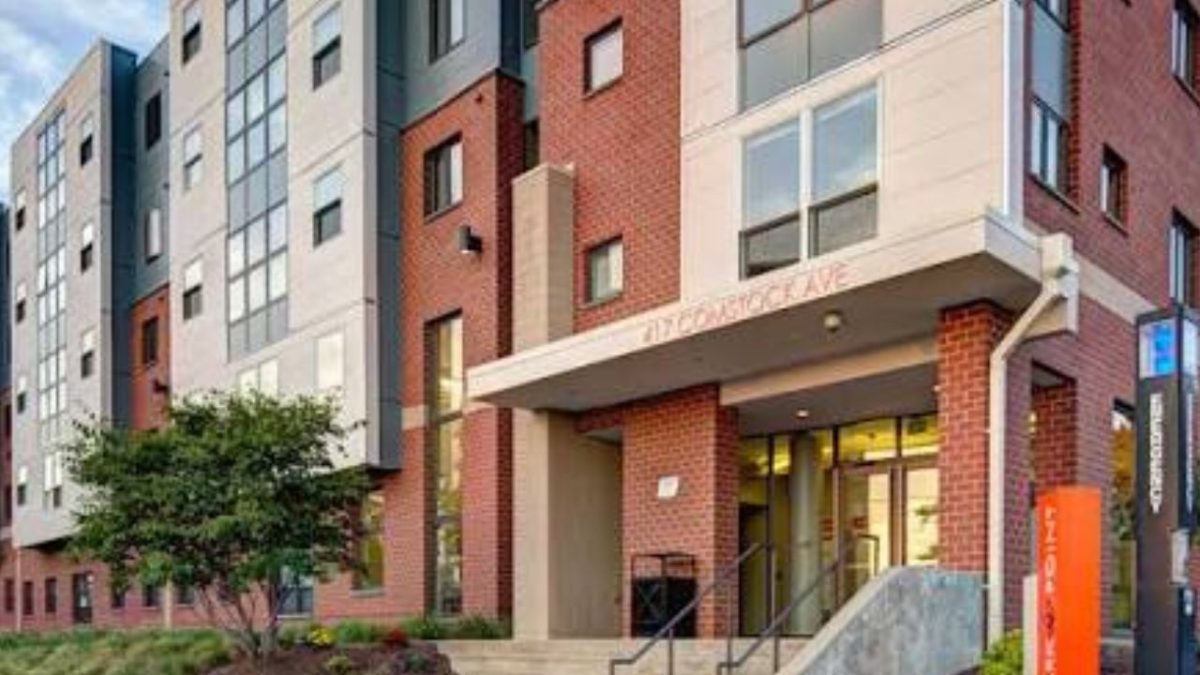
Student housing apartments remain an important part of the rental market across the United States as college students prepare for new academic terms, compare living arrangements and search for accommodation near their universities.
Interest in student apartments is shaped by several factors, including university enrollment, rental affordability, proximity to campus, transportation and the availability of purpose-built accommodation. At the same time, recent market reports suggest that the student housing landscape is changing, with some college towns facing intense competition for affordable rentals while others contend with an expanding supply of new apartments.
Although a nationwide increase in Google searches for student housing apartments has not been independently established, broader rental-market data and student accommodation reports highlight why the subject remains relevant to students, parents, landlords and property developers.
Why Student Housing Apartments Remain in Demand
Finding suitable accommodation is a major consideration for students moving away from home to attend college or university.
On-campus residence halls are not always available to everyone, and some students prefer the privacy, flexibility or independence offered by off-campus apartments. Others choose shared accommodation to divide rent and utility expenses among roommates.
These considerations make apartments near university campuses an important option for undergraduate students, graduate students and young professionals completing academic programmes.
Demand can also vary throughout the year. Housing searches often become more urgent before a semester begins, when students need to secure a lease, arrange transportation and move closer to campus.
The result is a market in which location, affordability and availability can influence how quickly students find suitable accommodation.
Major College Cities Face Different Housing Conditions
Student apartment markets do not all experience the same pressures. Some university communities have limited accommodation near campus, while others have seen developers add substantial numbers of new beds and apartment units.
A report published by Realtor.com on October 20, 2026, highlighted a significant shift in several US college towns. According to the report, developers delivered more than 31,000 dedicated off-campus student bedrooms across the university markets tracked by Yardi Matrix during 2026, approximately 20% more than in the previous year.
However, newer developments have not necessarily filled as quickly as earlier projects. Preliminary estimates cited in the report put occupancy for properties delivered in 2026 at 84.1% in September, compared with 95.3% for the previous year’s new developments at the same point.
These figures suggest that additional construction can ease some housing shortages while creating stronger competition among landlords in markets where supply has grown faster than demand.
For students, this changing environment may create more opportunities to compare properties, investigate lease incentives and find accommodation that better matches their budgets.
For landlords, it means that simply opening an apartment building near a university may no longer guarantee strong occupancy.
Affordability Is Influencing Student Apartment Searches
Rent is one of the most important considerations when students choose where to live.
Beyond the advertised monthly payment, renters may need to account for electricity, water, internet access, transportation, deposits, renters insurance and other expenses. Properties that appear affordable at first may become more expensive once these additional costs are included.
The cost of accommodation can be particularly challenging in major metropolitan areas, where students compete with other renters for apartments near employment centres and public transportation.
A recent analysis by Insurify examined the influence of college students on rental markets across the United States. Its findings identified Ames, Iowa; Bloomington, Indiana; and Iowa City, Iowa, among the more affordable student-driven rental markets in its analysis. Santa Clara, California; Boston, Massachusetts; and Sacramento, California, were among the more expensive markets.
These differences demonstrate why students should compare housing costs in their own university cities instead of relying on national averages.
In more expensive locations, shared apartments, accommodation farther from campus and university-managed housing may provide alternatives for students working within tight budgets.
New Apartment Developments Are Changing the Market
Developers have invested in student accommodation to meet demand around universities, particularly in markets where enrollment and rental demand have supported new construction.
Purpose-built student apartments can include furnished rooms, shared study areas, fitness facilities, communal lounges and other amenities designed for student life. Some developments also offer individual leases, allowing roommates to sign separate agreements rather than share responsibility for the entire apartment.
However, the growth of new developments can change local market conditions.
Realtor.com’s October 2026 report described how some college towns that previously faced significant housing shortages are now experiencing weaker occupancy and rent pressure following substantial construction. Markets with large development pipelines may face additional competition as more beds become available.
This does not mean that every college city has an oversupply of student housing. Conditions depend on enrollment, the number and type of available units, construction activity and the affordability of existing accommodation.
Students searching for apartments should therefore assess the circumstances of their particular university market rather than assume that every city offers the same opportunities.
Technology Is Making Apartment Comparisons Easier
Online rental platforms have become useful tools for students comparing apartments before moving to a new city.
Listings can help renters review advertised prices, floor plans, amenities, lease terms and distances from campus. Virtual tours and digital applications may also allow students to begin their search before arriving in the university town.
Apartments.com reported in its second-quarter 2026 RentPulse Index that rental searches increased in several major US cities. Denver recorded a 16.2% quarter-over-quarter increase, while Chicago rose 12.9%, Portland, Maine, increased 12.2%, Milwaukee rose 10.1%, and Burlington, Vermont, recorded a 9.5% increase.
These figures measure searches on Apartments.com across rental listings generally. They should not be interpreted as student-apartment-specific search growth or as proof of a nationwide rise in Google searches for student housing.
Nevertheless, rental search activity illustrates how online platforms can help reveal where prospective renters are exploring housing options and how interest may change over time.
What Students Should Consider Before Renting
Students looking for apartments near a college or university can improve their search by evaluating more than the advertised rent.
Several considerations can help them make a better-informed decision.
Total monthly cost: Compare rent with utilities, internet, parking, transportation and other recurring expenses.
Distance from campus: Consider walking routes, public transit, cycling options and the time required to travel to classes.
Lease conditions: Review the lease duration, deposit requirements, early termination provisions and any fees before signing.
Roommates and shared housing: Sharing an apartment may reduce individual expenses, but students should understand their financial responsibilities and the terms of the rental agreement.
Safety and maintenance: Check building access, lighting, maintenance arrangements and the condition of the property. Avoid sending deposits before verifying the property and the legitimacy of the landlord or agent.
Move-in timing: Start searching early enough to compare options, but check current availability and avoid paying for accommodation before confirming the terms.
Students who compare several properties can better understand the options available in their chosen city and avoid making decisions based only on photographs or advertised prices.
What the Changing Market Means for Landlords and Developers
The student apartment market also presents challenges for property owners.
Where new developments have expanded supply, landlords may need to compete through pricing, lease flexibility, responsive management and amenities that meet students’ actual needs.
Developers and investors must consider local enrollment trends, the amount of accommodation already under construction and the purchasing power of their intended tenants.
A property near a major university may benefit from a large student population, but the number of students does not automatically translate into demand for every type of apartment. Students may have different budgets and preferences, and some may choose university residences, shared houses or accommodation outside the immediate campus area.
Industry analysis published by JLL in 2026 identified evolving student preferences and changing campus housing needs as important considerations for colleges and accommodation providers.
Understanding these differences is essential for making decisions about where to build, what types of units to offer and how to price them competitively.
Are Searches for Student Housing Apartments Increasing?
The topic of student housing apartments remains relevant because students need accommodation, rental affordability varies considerably between cities, and new developments are changing conditions in some university markets.
However, confirming that online search interest is rising requires a clearly defined dataset. Google Trends, rental-platform search statistics and university housing inquiries measure different types of activity and should not be treated as interchangeable.
A reliable assessment would compare searches for specific phrases, such as “student housing apartments,” “apartments near college campuses” and “off-campus student housing,” over a defined period. It would also distinguish national trends from changes in individual college cities.
Without that direct evidence, a nationwide increase in searches cannot be stated as a confirmed fact.
What current housing reports do demonstrate is that student accommodation markets are evolving. Some locations continue to face affordability and availability challenges, while others are seeing new supply compete for a more limited pool of renters.
For students, the practical priority remains finding accommodation that fits their budget, location requirements and academic schedule. For landlords and developers, understanding local supply and demand will be essential to navigating the changing market.
Key Facts About Student Housing Apartments
| Topic | Key Information |
|---|---|
| Main audience | College students, university students, parents and renters |
| Common housing options | Campus residences, purpose-built student apartments and shared off-campus rentals |
| Major decision factors | Rent, location, transportation, lease conditions and amenities |
| Recent development trend | Some university markets have experienced substantial growth in new student accommodation |
| Market challenge | New supply is creating stronger competition in some college towns |
| Rental search data | Apartments.com reported increased general rental searches in several US cities during Q2 2026 |
| Google search trend | A nationwide rise in Google searches specifically for student housing apartments was not independently verified |
| Outlook | Conditions vary by university, city, enrollment and available housing supply |
Disclaimer
This article provides general information about student housing and rental-market developments in the United States. It does not establish a verified nationwide increase in Google search interest for student housing apartments. Market conditions and rental costs vary by location and may change. Students should verify property details, lease conditions and current availability before making housing decisions.