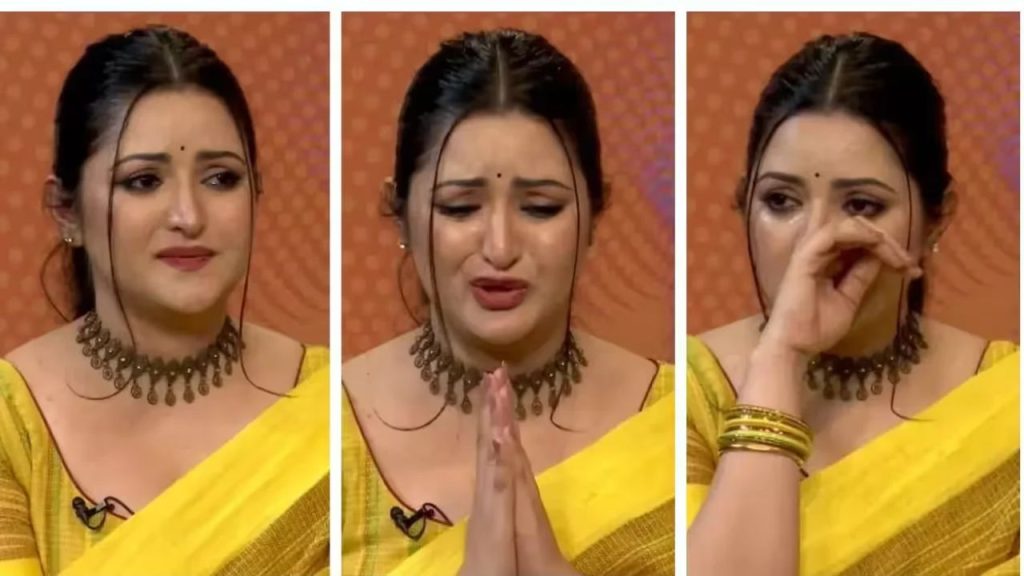
Bangladeshi actress Pori Moni has spoken out against the circulation of manipulated videos featuring her face, questioning whether an apology is sufficient after the material appeared on the Instagram account of a television broadcaster.
The controversy emerged in October 2026 after objectionable videos featuring the faces of Pori Moni and fellow actress Mehazabien Chowdhury were published through the Instagram account of Maasranga Television, a private television channel in Bangladesh.
The broadcaster said its account had been hacked and that fabricated content created through the misuse of artificial intelligence had been published without authorization. It later announced that the account had been recovered, the videos removed, and steps would be taken in response to the incident.
However, Pori Moni questioned the broadcaster’s handling of the situation and criticized the wider online reaction to the manipulated material. During a Facebook Live session on October 16, she argued that simply apologizing did not settle questions about responsibility for the incident.
The controversy has renewed concerns about AI-generated deepfakes, online harassment, digital privacy, and the responsibilities of media organizations when harmful material appears on their platforms.
What Happened in the Pori Moni Viral Video Controversy?
The controversy began on October 13, 2026, when objectionable videos featuring the faces of two Bangladeshi actresses appeared on the Instagram account of Maasranga Television.
The material quickly attracted attention on social media, prompting questions about whether the videos were authentic and how they had appeared on the broadcaster’s account.
According to reporting by Bangladeshi media outlets citing fact-checking findings, the videos were not genuine recordings of the actresses. Instead, the footage had reportedly been manipulated using face-swapping technology to place their faces onto videos featuring other people.
The fact-checking organization Rumor Scanner investigated the material and reported that the videos were fabricated. Reports about its findings indicated that the content had been altered rather than showing authentic footage of the actresses.
Maasranga Television said its Instagram account had been compromised. The broadcaster apologized for the publication of the material and said it had recovered control of the account with assistance from relevant authorities.
The incident quickly developed into a wider discussion about the misuse of AI technology and the harm caused when fabricated sexual content is circulated under a real person’s name.
Why Pori Moni Questioned the Broadcaster’s Response
Pori Moni’s criticism focused on accountability and the way the incident was handled after the videos appeared online.
During a Facebook Live broadcast on the night of October 16, she questioned why a major media organization had reportedly taken so long to regain control of its Instagram account.
She argued that saying an account had been hacked did not, by itself, answer all the questions surrounding the publication and subsequent circulation of the videos.
The actress also expressed frustration that the material had attracted such widespread attention after appearing on an established broadcaster’s account.
Her concern was that the publication had given the fabricated videos greater visibility, allowing more people to encounter and discuss them.
Pori Moni’s comments reflected a broader question raised by the incident: what responsibilities should a media organization accept when harmful or fabricated content is published through an account associated with its brand?
Although the broadcaster attributed the incident to a security breach, the available reporting did not conclusively establish who created the videos or who was responsible for publishing them.
Key Facts About the Pori Moni Deepfake Controversy
| Detail | Information |
|---|---|
| Main public figure | Pori Moni |
| Other actress involved | Mehazabien Chowdhury |
| Country | Bangladesh |
| Television broadcaster | Maasranga Television |
| Platform involved | |
| Date the videos appeared | October 13, 2026 |
| Type of content | Fabricated videos reportedly created using face-swapping technology |
| Fact-checking organization | Rumor Scanner |
| Broadcaster’s explanation | The Instagram account was reportedly hacked |
| Broadcaster’s response | Apology, removal of the material, and reported recovery of the account |
| Pori Moni’s response | Questioned the broadcaster’s accountability and criticized the online reaction |
| Confirmed identity of the person responsible | Not established in the reports reviewed |
| Investigation outcome | No verified final outcome located in the reporting reviewed |
These details summarize the information reported by Bangladeshi news outlets. Questions about responsibility for the incident remain separate from the established finding that the videos were manipulated.
Pori Moni Criticizes People Sharing the Fabricated Videos
Beyond questioning the broadcaster, Pori Moni criticized people who continued discussing and circulating the material on social media.
During her Facebook Live session, she expressed frustration that the videos had become a recurring topic in online conversations, including discussions unrelated to the incident.
She also challenged the attention given to fabricated content, pointing out the contradiction between knowing that a video was fake and continuing to use it to target the person depicted.
Her comments highlighted a problem that frequently accompanies deepfake controversies. Even after a video is identified as manipulated, continued sharing can extend its reach and increase the humiliation experienced by the person whose identity has been misused.
The circulation of fabricated content can also make it difficult for audiences to distinguish authentic material from digitally altered footage.
Pori Moni’s reaction therefore extended beyond the original publication. She questioned the behavior of people who continued treating the video as a source of entertainment or using it to provoke others online.
Pori Moni’s Sarcastic Response to the Online Attention
During the broadcast, Pori Moni also responded sarcastically to the intense public attention surrounding the controversy.
She suggested that the reaction to the manipulated video was so excessive that she had felt like doing a revealing photoshoot herself.
Her remark was delivered in the context of criticizing the people who were sensationalizing the fabricated content. It should not be interpreted as an endorsement of the videos or as evidence that the material was authentic.
The actress’s broader point was that online audiences had devoted considerable attention to a video that fact-checkers had identified as fabricated.
She also objected to people repeatedly bringing up the material in unrelated discussions, illustrating how a manipulated clip can continue affecting someone’s public image even after questions about its authenticity have been addressed.
After the broadcast, Pori Moni removed the live video from her Facebook page. She later published a brief status message without providing a detailed explanation for deleting it.
Mehazabien Chowdhury Also Speaks Out
Pori Moni was not the only actress affected by the incident.
Mehazabien Chowdhury also criticized the creation and circulation of fabricated material using celebrities’ faces.
In a public statement reported by Prothom Alo on October 15, she questioned the motives of people who create such content and those who knowingly distribute it.
Her response emphasized that using artificial intelligence to fabricate material in someone’s name and circulate it to humiliate them should not be treated as entertainment.
The involvement of two actresses in the same controversy demonstrates how face-swapping technology can be used to target public figures without their consent.
Although celebrities may have a large public presence, their visibility does not make fabricated sexual content harmless or remove their interest in protecting their identity and dignity.
The two actresses’ reactions have helped bring renewed attention to the consequences of digitally manipulated content and the responsibility of online audiences.
What Did Maasranga Television Say About the Incident?
Maasranga Television said its Instagram account had been hacked and that fabricated images and videos produced through the misuse of artificial intelligence had been published.
The broadcaster subsequently reported that it had regained access to the account with assistance from relevant authorities. It also removed the disputed material, expressed regret over the incident, and indicated that legal action would be pursued.
However, questions arose online about the account’s activity during the period in which the videos were visible.
Some reporting noted that other posts appeared on the account during the period described as a security breach. This led to public questions about the broadcaster’s explanation and the timeline of events.
Those observations do not establish who published the videos or prove that the broadcaster’s account of a hack was false. A definitive conclusion would require reliable technical evidence and the findings of any relevant investigation.
As of the latest reporting reviewed for this article, the identity of the person or people responsible for creating and posting the videos had not been established publicly.
How AI Deepfakes Can Harm Public Figures
The controversy illustrates the risks associated with AI-assisted face-swapping technology.
Such tools can place a person’s face onto footage of someone else, creating a misleading impression that the person participated in an event that never occurred.
When used to fabricate sexual or otherwise humiliating material, the technology can cause significant reputational and emotional harm. The resulting content may be shared rapidly before fact-checkers, platforms, or the affected individual can respond.
Even when a video is later identified as fake, copies may continue circulating through private messages, social media accounts, and online discussions.
The damage can extend beyond the original post because people may encounter the fabricated material without seeing corrections or explanations about its authenticity.
The Pori Moni controversy demonstrates why audiences should avoid sharing intimate or humiliating content whose authenticity is uncertain. It also shows the importance of prompt responses from organizations whose accounts are used to distribute harmful material.
Who Is Responsible for the Circulation of the Videos?
Responsibility for the incident remains an important unanswered question.
The broadcaster said its account had been hacked, while fact-checking reports indicated that the videos themselves were fabricated. These findings address different aspects of the controversy: one concerns the authenticity of the videos, while the other concerns how they appeared on the broadcaster’s account.
The available reporting did not conclusively identify the person who created the manipulated footage or the person responsible for uploading it.
It is therefore important not to accuse a specific individual or organization of creating or distributing the videos without reliable evidence.
Further technical investigation, official statements, or verified legal developments may clarify how the content was produced and published.
Until then, claims about the people responsible should be treated cautiously.
The Importance of Media Accountability and Digital Privacy
Pori Moni’s response has placed media accountability at the center of the discussion.
A broadcaster’s social media account can reach a substantial audience, and material published through an established media organization may initially appear more credible to viewers than content posted by an unknown account.
When fabricated material appears on such a platform, the resulting harm can be amplified by the organization’s existing reach and reputation.
This makes account security, access controls, monitoring, and incident response important responsibilities for media organizations.
The incident also raises questions about how quickly harmful material should be removed, how affected people should be informed, and what steps organizations should take to explain a security breach to the public.
An apology can acknowledge harm, but it may not answer every question about the circumstances of an incident or the safeguards that will be implemented to prevent a recurrence.
Pori Moni’s comments reflect the expectation that organizations should address these questions clearly rather than relying on a brief expression of regret alone.
Why Sharing Fabricated Intimate Content Is Harmful
The circulation of fabricated sexual material can turn a person’s face and identity into tools for harassment.
People who share such material may contribute to the spread of false claims even if they did not create the original video. Reposting, forwarding, or drawing attention to the content can increase its visibility and expose the affected person to additional humiliation.
The fact that a video is fabricated does not make its circulation harmless. The person depicted may still face unwanted attention, reputational consequences, and repeated questions about material that does not authentically represent them.
A more responsible response is to avoid downloading or sharing the footage, rely on credible fact-checking, and report harmful posts through the relevant platform’s reporting channels.
Media organizations and social platforms also have an important role in responding to manipulated content that violates their rules or misuses someone’s identity.
What Happens Next in the Pori Moni Video Controversy?
The questions surrounding the incident may depend on further information from Maasranga Television, the affected actresses, relevant authorities, and any technical investigation into the reported account breach.
The broadcaster has said it recovered the account, removed the content, and intended to take legal action. However, the sources reviewed for this article did not establish a final investigation outcome or identify anyone conclusively responsible for creating or uploading the videos.
Pori Moni has made clear that she is dissatisfied with the idea that an apology alone should settle the matter. Her comments have kept attention on the broadcaster’s response and on the conduct of people who continue circulating fabricated material.
Further verified developments may clarify whether legal proceedings were initiated and whether the circumstances of the account breach were conclusively established.
Until then, the distinction between confirmed findings and unresolved questions remains essential.
Conclusion: Pori Moni’s Deepfake Controversy Raises Questions Beyond Celebrity Gossip
The viral video controversy involving Pori Moni and Mehazabien Chowdhury is about more than the spread of a fabricated clip.
It raises questions about the misuse of artificial intelligence, the protection of personal identity, the responsibilities of media organizations, and the behavior of audiences who circulate humiliating content.
Fact-checking findings reported by Bangladeshi outlets indicated that the videos were manipulated rather than authentic recordings of the actresses. Maasranga Television said its Instagram account had been hacked and apologized after the material appeared.
Pori Moni challenged the broadcaster’s response, arguing that an apology did not resolve the questions surrounding the incident. She also criticized people who continued to discuss and share the fabricated material.
The available reporting does not conclusively identify who created or published the videos. That uncertainty makes it especially important to avoid unsupported accusations while continuing to ask legitimate questions about accountability.
Ultimately, the incident is a reminder that digital content can cause real harm even when it is fabricated. Preventing that harm requires responsible reporting, stronger account security, effective responses to manipulated media, and greater care from people who encounter viral content online.
Disclaimer
This article is based on news reports published in October 2026 and reporting on the findings of the Bangladeshi fact-checking organization Rumor Scanner. The videos were reported as fabricated through face-swapping technology. Maasranga Television’s claim that its Instagram account was hacked is presented as the broadcaster’s explanation, not as an independently established conclusion. The identities of the people responsible for creating and uploading the videos, as well as the final outcome of any investigation or legal action, were not confirmed in the sources reviewed. This article does not reproduce or link to the manipulated material.