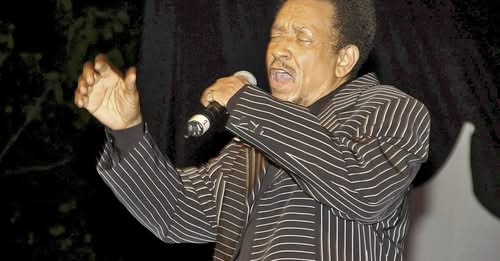
Jamaican music is mourning the loss of Derrick Harriott, the celebrated singer, songwriter, and record producer whose work helped shape the development of ska, rocksteady, and reggae. Harriott died on Saturday, October 24, 2026, at the age of 87, leaving behind a musical legacy that spans more than six decades.
News of his death was confirmed by Dorrel Mattocks, operator of the Derrick Harriott Music Store in Twin Gates Plaza, St Andrew, who told The Gleaner that the veteran musician died at home at approximately 1 a.m. local time. Mattocks said Harriott had been unwell and had spent time in and out of hospital before recently returning home.
His passing marks the loss of an important figure in Jamaican popular music, remembered not only for his own recordings but also for the artists and songs he helped bring to audiences through his work as a producer.
Who Was Derrick Harriott?
Derrick Clifton Harriott was born in Kingston, Jamaica, on February 6, 1939. He emerged during a formative period in Jamaican popular music and built a career that moved through several influential styles, including ska, rocksteady, reggae, and dub.
Harriott began performing as a teenager and became known for his melodic voice and songwriting. His early musical experiences helped establish the foundation for a career that would eventually include solo recordings, running a record label, and producing music for other Jamaican performers.
His best-known song, The Loser, became a signature recording. Other songs associated with his career include I Care, What Can I Do, and I’m Only Human.
Over the years, Harriott developed a reputation as an artist who could move between performing and production, contributing to Jamaican music both in front of the microphone and behind the scenes.
From The Jiving Juniors to a Solo Career
One of the defining early chapters of Harriott’s career was his involvement with The Jiving Juniors, a vocal group he co-founded in 1958.
The group achieved early local success with songs including Lollipop Girl and Over the River. Its popularity gave Harriott an important platform during the years when Jamaican music was developing its own distinctive sound and reaching increasingly broad audiences.
Harriott later pursued a solo career and established his own record label, Crystal, in 1962. Through the label, he released his own recordings, including I Care and The Loser, while building a platform for other musicians.
His transition from group performer to solo artist and producer demonstrated the range of his musical interests. Rather than limiting himself to one role, he became involved in the wider process of recording and releasing Jamaican music.
The Producer Behind Influential Jamaican Artists
Harriott’s influence extended well beyond his own songs. As a producer, he worked with a range of performers whose recordings became important parts of Jamaica’s musical history.
Among the artists associated with his production work were Dennis Brown, Big Youth, The Ethiopians, Keith & Tex, The Kingstonians, and DJ Scotty.
His Crystal label became known for recordings that helped bring Jamaican music to listeners at home and abroad. Keith & Tex’s Stop That Train and recordings by Dennis Brown were among the releases associated with the label’s catalogue.
Harriott also worked during a period when studio experimentation was helping shape the development of reggae and dub. Reports on his career note that he recorded early sessions at King Tubby’s studio, a significant location in the evolution of dub music.
His contribution was therefore not limited to the songs he performed. The recordings he produced helped other artists develop their sound and reach audiences, extending his influence across multiple generations of Jamaican music.
A Career Across Ska, Rocksteady, Reggae, and Dub
Jamaican popular music evolved considerably during Harriott’s career. Ska helped establish a distinctive national sound in the early years of independence, while rocksteady later introduced a slower, more rhythm-focused style. Reggae subsequently carried Jamaican music to international audiences.
Harriott worked across these musical periods, adapting his songwriting and production to changing styles while maintaining a recognisable place in the industry.
His career illustrates how singers, musicians, producers, and record-label owners contributed collectively to the development of Jamaican music. By performing, recording, and producing other artists, Harriott became part of a creative network that helped establish the country’s global musical reputation.
For listeners familiar with classic Jamaican recordings, his work remains connected to an era of experimentation and creativity that continues to influence reggae musicians and producers.
Recognition for His Contribution to Jamaican Music
Harriott received formal recognition for his work during his lifetime. In 2009, the Jamaican government awarded him the Order of Distinction in recognition of his contribution to the development of Jamaican popular music.
He later received the Jamaica Reggae Industry Association’s Lifetime Achievement Award in 2019.
These honours reflected the breadth of his work as a performer and producer. His influence could be heard in his own recordings as well as in the music of artists whose careers intersected with his production work.
His longevity in the industry also made him a source of historical knowledge about the development of Jamaican music, from the early ska period through the rise of rocksteady, reggae, and dub.
Derrick Harriott’s Final Days
According to reporting by The Gleaner, Harriott had been unwell and had experienced periods in and out of hospital before his death. Dorrel Mattocks said the musician had recently returned home from hospital.
Harriott died at home at approximately 1 a.m. on October 24, 2026, according to the account provided to the newspaper.
As of the initial reports announcing his death, no specific cause of death had been publicly confirmed. His family had also not announced funeral or memorial arrangements in the reports reviewed for this article.
Further information about services or tributes may become available through his family, representatives, or Jamaican music-industry organisations.
A Lasting Legacy in Jamaican Music
Derrick Harriott’s legacy rests on several connected parts of his career: his work as a singer, his songwriting, his record label, and his production of other artists.
Songs such as The Loser remain closely associated with his name, while his work with performers including Dennis Brown and Keith & Tex reflects the broader reach of his influence.
His career unfolded over decades in which Jamaican music developed distinctive styles and attracted audiences around the world. Harriott’s contribution to that history was recognised by national honours and by the continued attention paid to the recordings he helped create.
For fans, fellow musicians, and listeners who value the roots of reggae, his death represents the passing of a veteran figure whose work helped shape an important chapter in Jamaica’s cultural history.
Though he has died at 87, the recordings he performed and produced remain part of the musical legacy he leaves behind.
Key Facts About Derrick Harriott
| Detail | Information |
|---|---|
| Full name | Derrick Clifton Harriott |
| Known for | Jamaican singer, songwriter, and record producer |
| Age | 87 |
| Date of birth | February 6, 1939 |
| Place of birth | Kingston, Jamaica |
| Date of death | October 24, 2026 |
| Place of death | Kingston, Jamaica, according to published reports |
| Musical styles | Ska, rocksteady, reggae, and dub |
| Early group | The Jiving Juniors |
| Record label | Crystal |
| Signature song | The Loser |
| Other songs | I Care, What Can I Do, I’m Only Human |
| National honour | Order of Distinction, 2009 |
| Industry honour | JaRIA Lifetime Achievement Award, 2019 |
Disclaimer
This article is based on reporting published by Jamaican news organisations on October 24, 2026. Harriott’s death was confirmed by a person associated with his music store, and details about his career are drawn from published profiles and reports. A specific cause of death and funeral arrangements had not been confirmed in the initial reports reviewed.