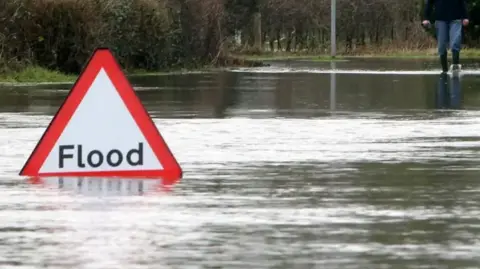
Las Vegas Flooding-Heavy rain from the remnants of Tropical Storm Rachel caused flash flooding across parts of the Las Vegas Valley, sending water over streets and creating dangerous conditions in low-lying areas.
The storm brought an unusual amount of rain to southern Nevada over the weekend. Flood watches and flash flood warnings were issued as thunderstorms moved through Clark County and parts of the Las Vegas area.
While the immediate flood threat has eased in many locations, the event has remained a major topic of interest as residents and visitors search for updates on road conditions, the Las Vegas Strip and the impact of Tropical Storm Rachel.
What caused the Las Vegas flooding?
The flooding was linked to moisture from Tropical Storm Rachel as the system moved inland from the Pacific.
Las Vegas is especially vulnerable to flash flooding because heavy rain can quickly run across dry ground, roadways and desert washes. Storm drains, underpasses and low-lying streets can fill rapidly during intense rainfall.
The National Weather Service warned that heavy thunderstorms could create dangerous flash flooding in urban areas, highways, streets, creeks and underpasses.
Rainfall varied widely across the valley. Some areas received relatively light rain, while others saw much heavier totals in a short period of time.
Flooding reported across the Las Vegas Valley
Flooding affected parts of the Las Vegas area as water moved through streets, washes and drainage channels.
The Las Vegas Strip and surrounding roads drew particular attention because of the large number of visitors in the area. Videos shared online showed water pooling on streets and moving through areas that are usually dry.
Emergency agencies urged people not to drive through flooded roads or enter flowing water. Even shallow floodwater can be dangerous because road surfaces may be damaged or hidden beneath the water.
The U.S. Geological Survey deployed a flood-response team to the Las Vegas Valley during the storm. Several streamgages along Las Vegas Wash recorded significant peaks as runoff moved through the area.
Is Las Vegas still under a flood warning?
The most urgent flood advisories and warnings connected to the weekend storm have largely been lifted, but weather conditions can change quickly.
Residents and visitors should check current forecasts and local emergency alerts before traveling, especially if rain returns to the area. Flooding can remain a concern even after the heaviest rain ends because water may continue moving through washes and drainage channels.
People should avoid driving around barricades, crossing flooded streets or walking near fast-moving water.
Why flash flooding is dangerous in Las Vegas
Desert flooding can be deceptive. Long dry periods may make it seem as though the ground can easily absorb rain, but intense storms can produce rapid runoff instead.
Water can collect in underpasses, parking areas, streets and drainage channels with little warning. Conditions can become dangerous within minutes during a strong thunderstorm.
Tropical Storm Rachel has served as another reminder that severe weather can affect the Las Vegas Valley, even in a region better known for dry conditions and high temperatures.
Disclaimer
This article is based on weather-agency information and reporting available at the time of publication. Flood conditions, road closures and weather alerts can change quickly. Readers should follow current guidance from local emergency officials and the National Weather Service.